Owning a listed building is a privilege and a responsibility. These properties carry the weight of history and architectural heritage, which means any renovation must be approached with sensitivity, care, and an expert understanding of the rules.
At Early Birds Bespoke Builders, we specialise in navigating the complex world of listed property renovation, blending traditional craftsmanship with modern comfort whilst respecting the past. In this blog, we break down what’s possible, what’s not, and how to approach a renovation the right way.
Understanding Listing Grades in the UK
In England, listed buildings fall into one of three categories:
- Grade I: Buildings of exceptional interest (only 2.5% of listings)
- Grade II*: Particularly important buildings of more than special interest
- Grade II: Buildings of special interest, covering around 92% of all listed buildings
The grade affects the level of scrutiny any proposed works will face. Whether you’re restoring a Georgian townhouse or a medieval farmhouse, listed status means your renovation must enhance and protect the building’s historic significance.
Listed Building Consent vs Planning Permission
Listed Building Consent (LBC) is separate from regular planning permission. It’s required for any works, internal or external, that might affect the character of a listed building. This includes demolition, alterations, or extensions.
You may still need standard planning permission in addition to LBC, especially for structural changes or changes of use. But it’s the LBC that governs what’s historically appropriate, and that’s where specialist experience makes all the difference.
What Can You Change on the Outside?
External changes are often the most visible and sensitive.
You’ll need approval for:
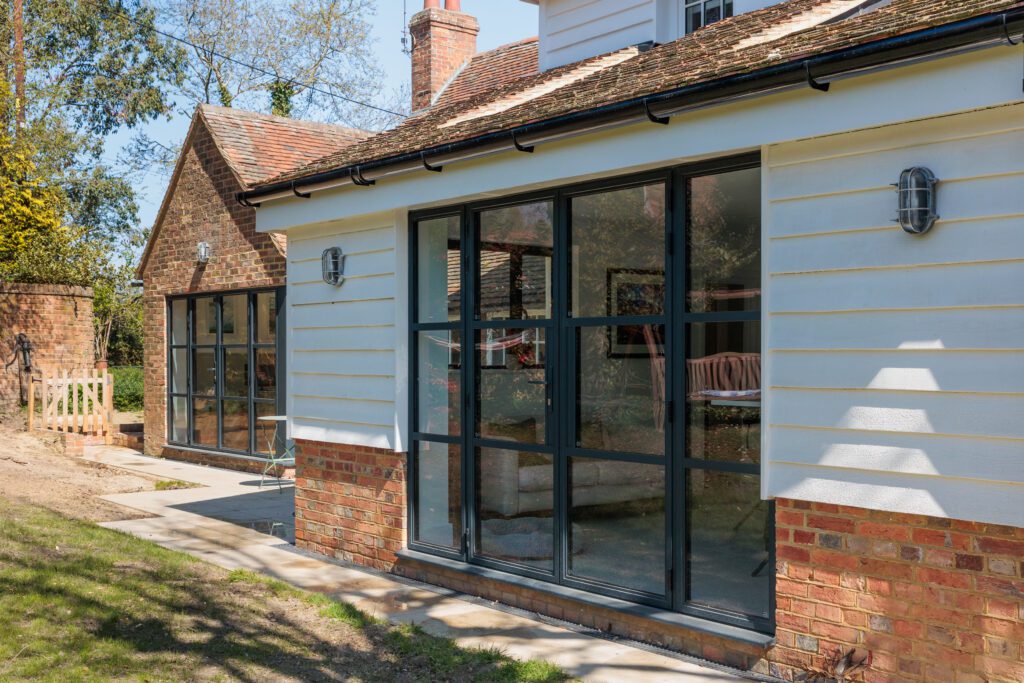
- Replacing windows: You cannot swap original timber sash or casement windows for uPVC. Style, material, and detailing must be preserved.
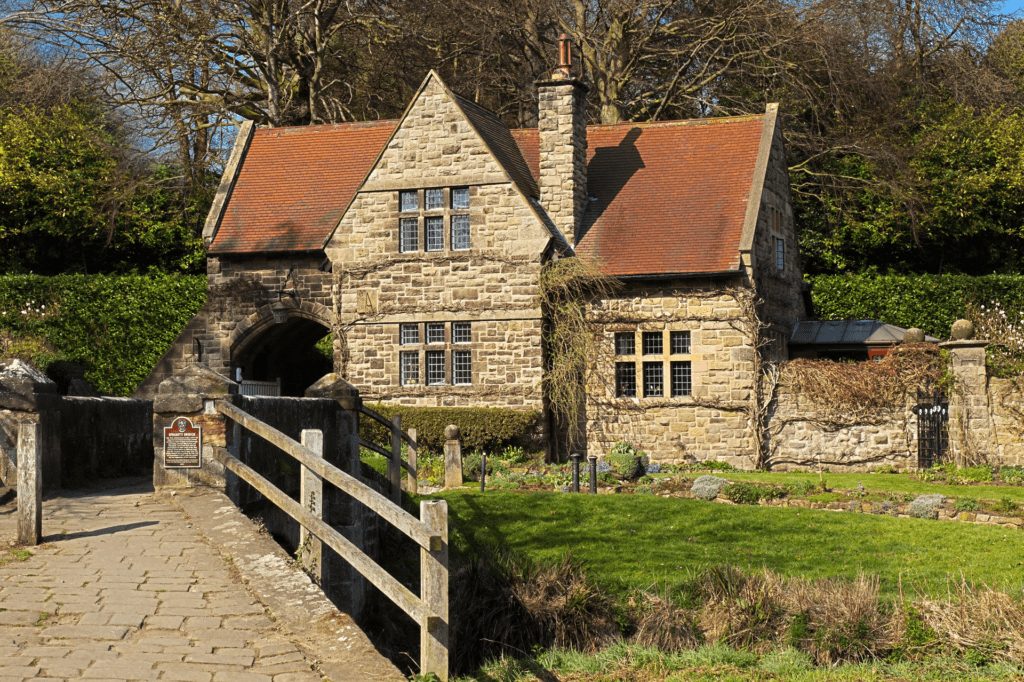
- Changing roof materials: Replacing traditional clay tiles with slate or concrete is almost always refused.
- Altering façades: Painting over historic brick or tile hanging with non-breathable paint can damage the building fabric and is not permitted.
- Removing chimneys or altering rooflines: These features are usually protected and contribute to the building’s character.
Even seemingly minor changes, like replacing your front door, may require consent if they impact the historic fabric.
Internal Alterations: What’s Off Limits?
Listed status protects interiors too, especially those with original features. You’ll need consent for:
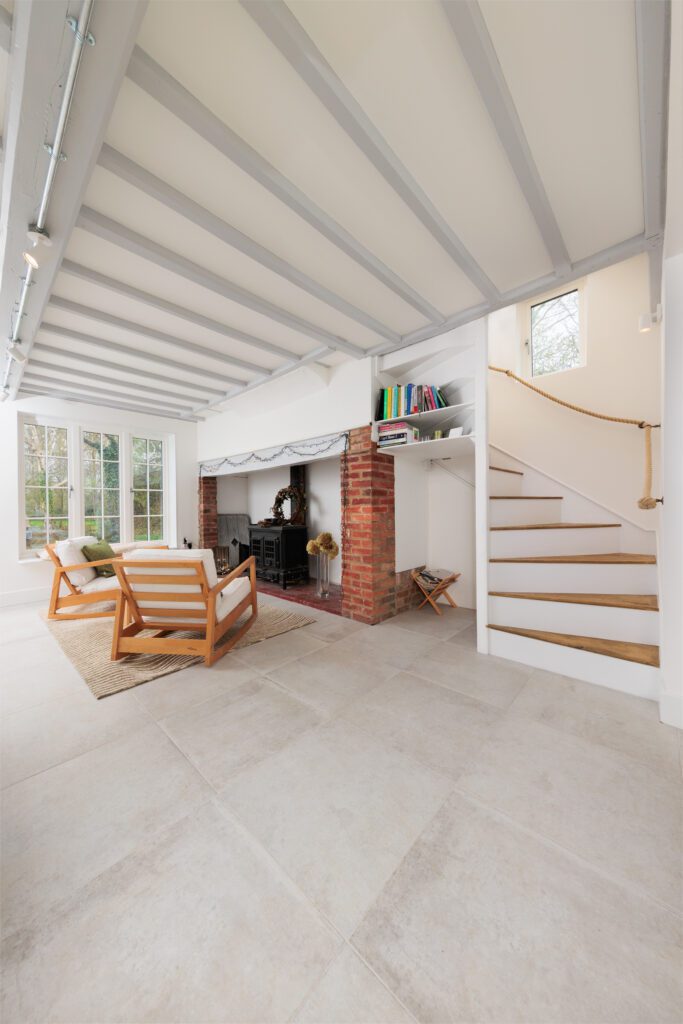
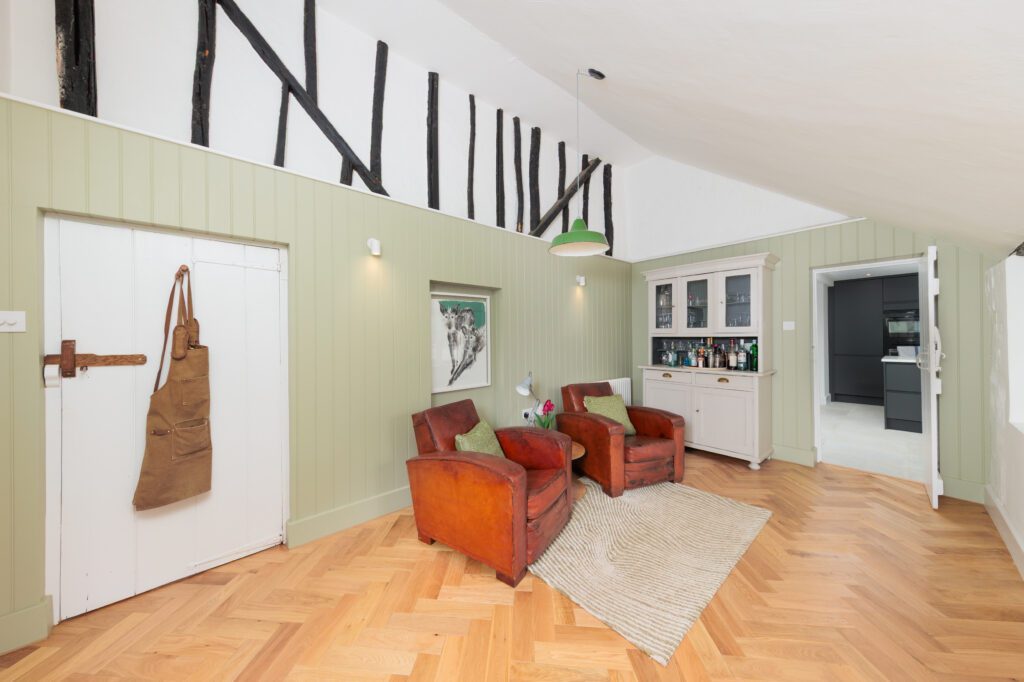
- Removing or altering beams, fireplaces, staircases, or joinery
- Knocking down internal walls or changing floor layouts
- Replacing lime plaster with modern materials
- Upgrading services like heating or electrics, particularly if it involves chasing into historic walls or floors
Sensitive renovation is entirely possible, but it must be planned and executed with care. This is where working with a trusted, experienced contractor becomes vital.
The Role of Conservation Officers and Heritage Consultants
Every listed building project involves collaboration with a Conservation Officer from your local council. They assess proposals and ensure your plans respect the building’s heritage.
For more complex projects, we may also bring in a heritage consultant who can help develop a sympathetic design and prepare documentation to support your application.
At Early Birds, we manage this process on your behalf, from concept to consent, ensuring a smooth, stress-free experience that protects your investment and your peace of mind.
Debunking Common Myths About Listed Buildings
Let’s clear up a few misconceptions:
- “I can’t change anything”
Not true. You can make changes, but they must be approved and in keeping with the building’s character. - “The inside isn’t protected”
Wrong. Interiors can be just as significant as façades and require just as much consideration. - “Modern upgrades are banned”
Not at all. You can improve insulation, services, and comfort levels. It just requires the right materials and techniques.
Materials and Techniques That Respect the Past
Modern convenience doesn’t have to mean compromising heritage.
At Early Birds, we use:
- Breathable lime-based plasters and mortars instead of cement
- Timber windows and doors crafted to match originals
- Discreet service upgrades that preserve character whilst improving performance
- Traditional roofing methods using clay tiles, leadwork, and conservation-approved insulation
This approach ensures long-term comfort, sustainability, and structural integrity without erasing what makes the building special.
Case Study: The Old Post Office, Biddenden
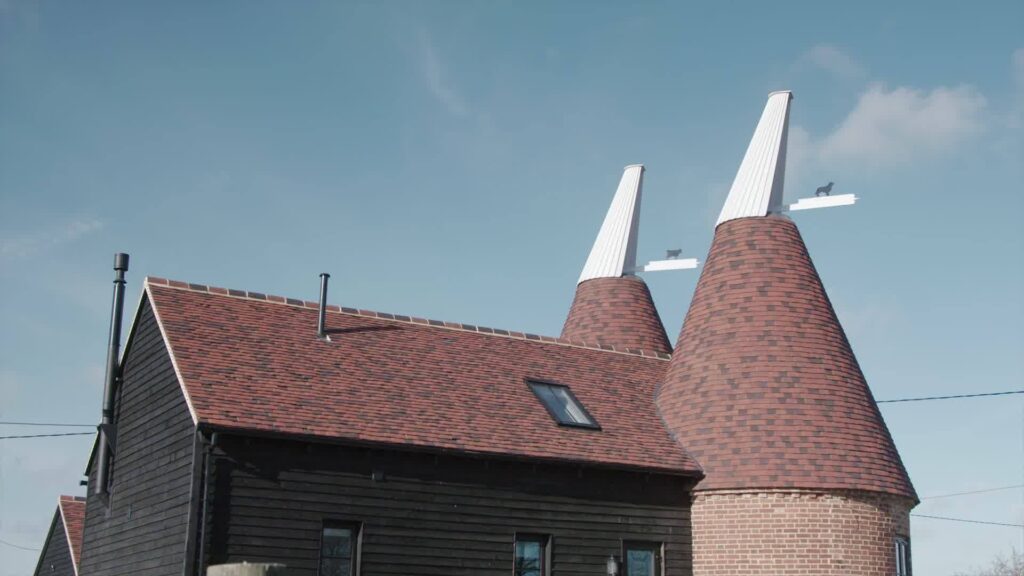
One of our proudest projects is the renovation of a 17th-century property in Biddenden, formerly the village Post Office. This Grade II listed building featured a timber-framed structure, brick refacing on the ground floor, and traditional tile hanging on the first, all iconic elements of Wealden vernacular architecture.
We were tasked with breathing new life into the home whilst preserving its historic charm.
That meant:
- Respecting the original timber frame and Bethersden marble paving
- Avoiding uPVC or modern materials that would compromise authenticity
- Working closely with the local Conservation Officer to ensure every intervention was approved and justified
- Using lime mortars and breathable paints to protect the building envelope
- Integrating modern heating and insulation without disturbing historic floors or beams
The result? A warm, welcoming home that’s both functional for modern living and faithful to its 400-year-old story.
How we Proudly Work to Get it Right
Renovating a listed building isn’t just about following rules. It’s about understanding the soul of a place and treating it with the care it deserves.
At Early Birds, we:
- Take ownership of the listed building consent process
- Communicate clearly with conservation officers and heritage bodies
- Use specialist materials and methods to protect historic fabric
- Offer honest advice and realistic timelines
- Provide a high-touch, low-noise experience tailored to discerning clients
We understand that our clients want to get it right the first time and don’t have time to micromanage. Our team handles the complexity with precision, care, and discretion, ensuring a smooth, stress-free renovation that adds long-term value.
Thinking about renovating a listed property in Kent or East Sussex?
Contact our team at Early Birds Bespoke Builders today to discuss your vision.
Together, we build dreams.